My Commercial Building Surveyors have witnessed countless cases where commercial tenants face substantial dilapidations claims at the end of their lease term—often for pre-existing damage they didn't cause. A schedule of condition survey is the single most important document that protects tenants from these unfair claims, yet many business owners overlook this critical safeguard when signing a commercial lease.
This comprehensive guide explains what a schedule of condition is, why every commercial tenant needs one, and how this document can save you tens of thousands of pounds in unwarranted dilapidations costs.
What Is a Schedule of Condition?
A schedule of condition is a detailed photographic and written record of a commercial property's condition at the start of a lease. Prepared by qualified building surveyors, this document captures the exact state of the building when the tenant takes possession, including any existing defects, damage, or wear and tear.
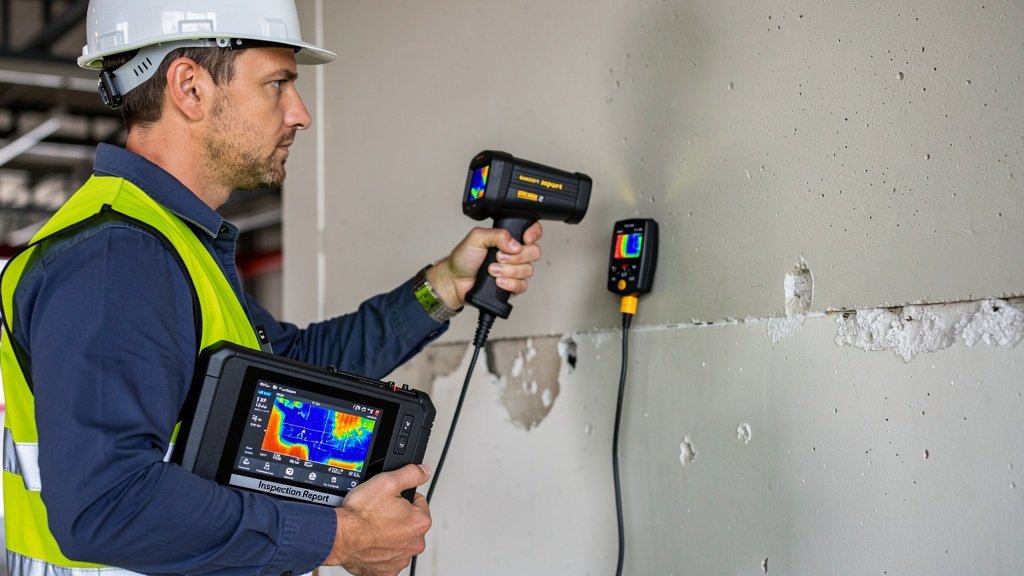
Our RICS chartered surveyors inspect the property thoroughly before lease commencement, documenting everything from structural elements to decorative finishes. The resulting report includes hundreds of photographs and detailed descriptions of the property's condition in every area.
Key Insight: A schedule of condition becomes an integral part of your lease agreement. It establishes the baseline condition you're responsible for maintaining, protecting you from liability for damage that existed before you moved in.
Why Commercial Tenants Need a Schedule of Condition
Under a typical Full Repairing and Insuring (FRI) lease, tenants are responsible for maintaining the property and returning it in the same condition at lease end. Without a schedule of condition, you could be held responsible for defects that were already present when you took occupation.
Protection from Unfair Dilapidations Claims
When your commercial lease ends, the landlord may instruct their surveyor to prepare a terminal schedule of dilapidations—a list of repairs you're allegedly responsible for. If you don't have an initial schedule of condition showing the property's state when you moved in, you'll struggle to prove which damage pre-existed your tenancy.
My Commercial Building Surveyors regularly save tenants £20,000 to £100,000+ in dilapidations disputes by producing schedule of condition surveys that clearly demonstrate which defects existed at lease commencement. This documented evidence is indisputable proof that protects your business from paying for damage you didn't cause.
Real-World Example
One of our clients, a retail tenant in Manchester, faced a £75,000 dilapidations claim for roof repairs, facade damage, and internal structural issues. Because we had prepared a comprehensive schedule of condition when they signed the lease five years earlier, we could prove that all these defects existed before they took possession. The claim was reduced to £8,500 for fair wear and tear items only—a saving of £66,500.
What Does a Schedule of Condition Include?
Our experienced team of surveyors creates thorough schedules of condition that document every aspect of the commercial property. A professional schedule typically includes:
External Elements
- Roof condition: Detailed inspection of roofing materials, flashings, gutters, and drainage systems, noting any existing leaks, cracks, or deterioration
- External walls: Assessment of brickwork, render, cladding, and pointing, documenting cracks, staining, or structural movement
- Windows and doors: Condition of frames, glass, seals, and operation, including any damage or defective mechanisms
- Car parks and external areas: State of tarmac, paving, drainage, lighting, and signage
- Building services access: Condition of external plant, ventilation systems, and service entries
Internal Elements
- Structural elements: Floors, walls, ceilings, columns, and beams—documenting any cracks, deflection, or signs of movement
- Decorative finishes: State of paintwork, wallcoverings, floor finishes, noting marks, stains, or damage
- Mechanical systems: Condition of heating, ventilation, air conditioning (HVAC), and plumbing installations
- Electrical installations: State of lighting, power outlets, distribution boards, and visible wiring
- Sanitary fittings: Condition of toilets, sinks, and associated plumbing
- Internal doors and ironmongery: Operation and condition of doors, locks, handles, and hinges
Photographic Evidence
My Commercial Building Surveyors take 200-500+ high-resolution photographs depending on property size. These images provide irrefutable visual evidence of the property's condition, capturing details that written descriptions alone cannot convey. Every defect, mark, and area of wear is photographed from multiple angles.
When Should You Commission a Schedule of Condition?
Timing is critical. The schedule of condition must be completed before you sign the lease and take possession of the property. Ideally, you should arrange the survey during lease negotiations so the document can be referenced in the lease agreement itself.
Recommended Timeline
- During lease negotiations: Inform your solicitor and the landlord that you'll be commissioning a schedule of condition
- 2-3 weeks before lease signing: Instruct your building surveyor to inspect the property
- 1 week before lease signing: Receive the completed schedule of condition report
- Before signing the lease: Ensure the schedule is referenced in the lease agreement or attached as an appendix
Never accept a landlord's schedule of condition without having your own independent surveyor review the property. Landlords' schedules are often limited in scope and may not protect your interests adequately.
How a Schedule of Condition Protects Your Business
1. Establishes Your Baseline Responsibility
The schedule creates a clear record of what condition you're required to maintain. Your repairing obligation under the lease is to keep the property in the condition it was in when documented, fair wear and tear excepted.
2. Limits Dilapidations Liability
At lease end, you're only responsible for damage that occurred during your tenancy. Pre-existing defects documented in the schedule are not your responsibility to repair, potentially saving tens of thousands in dilapidations costs.
3. Provides Negotiating Power
When facing dilapidations claims, a professionally prepared schedule of condition gives you concrete evidence to negotiate from. Landlords and their surveyors cannot dispute photographic proof of pre-existing damage.
4. Reduces Stress at Lease End
Knowing you have documented proof of the property's initial condition provides peace of mind throughout your tenancy and makes lease-end negotiations significantly less stressful.
Need a Schedule of Condition Survey?
Protect your business from unfair dilapidations claims with a professional schedule of condition prepared by our RICS chartered surveyors.
Get Your Free QuoteSchedule of Condition vs. Dilapidations Survey
It's important to understand the difference between these two survey types:
Schedule of Condition (Start of Lease)
- Conducted when you take possession of the property
- Documents existing condition as your baseline
- Protects you from liability for pre-existing damage
- Cost typically £1,500-£4,500 depending on property size
Dilapidations Survey (End of Lease)
- Conducted 12-18 months before lease expiry
- Identifies repairs needed to fulfill your lease obligations
- Allows time to address issues before landlord's final inspection
- Helps avoid or minimize dilapidations claims
My Commercial Building Surveyors recommend both surveys—a schedule of condition at lease commencement protects you from unfair claims, while an interim dilapidations assessment before lease end helps you fulfill your obligations cost-effectively.
Common Mistakes Tenants Make
1. Relying on the Landlord's Schedule
Landlords may provide a basic schedule of condition, but these documents are often limited and may not capture all existing defects. Always instruct your own independent building surveyor to protect your interests.
2. Delaying the Survey
Some tenants commission a schedule after taking possession, but by then it's too late—damage may have already occurred, or you won't be able to prove when defects appeared.
3. Not Referencing the Schedule in the Lease
The schedule must be formally incorporated into your lease agreement to have legal weight. Work with your solicitor to ensure the lease references the schedule explicitly.
4. Choosing the Cheapest Option
A poorly prepared schedule with insufficient detail or photographs won't protect you adequately. Invest in a comprehensive survey from qualified RICS building surveyors—it's a fraction of the potential dilapidations cost.
Cost vs. Benefit Analysis
A professional schedule of condition typically costs between £1,500 and £4,500 depending on the size and complexity of your commercial property. This may seem significant, but consider the alternative:
- Average dilapidations claim: £30,000-£150,000 for typical commercial properties
- Legal costs defending unfounded claims: £5,000-£20,000+
- Business disruption and stress: Immeasurable
Our clients consistently report that their schedule of condition investment delivers 10x-50x returns by avoiding or significantly reducing end-of-lease dilapidations disputes.
Frequently Asked Questions
Can I take my own photos instead of hiring a surveyor?
While better than nothing, amateur photographs lack the professional context, detail, and credibility of a surveyor's report. Landlords and courts give significantly more weight to schedules prepared by qualified RICS surveyors.
What if my landlord refuses to accept a schedule of condition?
Landlords cannot prevent you from having a schedule prepared for your own records, though they may resist formal incorporation into the lease. Even without lease reference, a professional schedule provides valuable evidence in any dispute.
Do I need a schedule for short-term leases?
Yes—dilapidations claims can arise regardless of lease length. In fact, short-term tenants are sometimes more vulnerable because they may inherit recently created damage from previous occupiers.
Can a schedule of condition be challenged?
Schedules prepared by qualified RICS chartered surveyors with comprehensive photographic evidence are extremely difficult to dispute. This is why professional preparation is essential.
How to Commission a Schedule of Condition
Working with My Commercial Building Surveyors is straightforward:
- Initial consultation: Contact us when lease negotiations begin to discuss your requirements and timeline
- Site access: Arrange access to the property with the landlord or agent for our inspection
- Comprehensive survey: Our RICS surveyors conduct a detailed inspection, typically taking 2-4 hours depending on property size
- Report delivery: Receive your comprehensive schedule of condition within 5-7 working days, complete with photographs and detailed descriptions
- Lease incorporation: We work with your solicitor to ensure the schedule is properly referenced in your lease agreement
Conclusion: Protect Your Business Investment
A commercial lease represents a significant financial commitment for your business. Signing a lease without a professional schedule of condition is like buying insurance without reading the policy—you're exposed to risks you may not understand until it's too late.
My Commercial Building Surveyors have protected hundreds of commercial tenants from unfair dilapidations claims totaling millions of pounds. Our comprehensive schedules of condition provide the documented evidence you need to defend your position and ensure you only pay for damage you actually caused.
Don't wait until lease-end disputes arise—invest in a schedule of condition now and gain peace of mind for the entire duration of your commercial tenancy. The modest upfront cost delivers substantial protection and potential savings that make it one of the smartest decisions any commercial tenant can make.
Get Your Schedule of Condition Quote Today
Protect your business with a professional schedule of condition from our RICS chartered surveyors. Contact us for a free, no-obligation quote.
Request Free Quote